




Water’s Edge Yas Island brings together apartment living, a canal-side setting and access to one of Abu Dhabi’s best-known leisure destinations. For buyers considering a home or rental property, its appeal begins with the location—but the purchase decision should depend on the exact apartment.
A well-positioned one-bedroom apartment, a compact studio and a larger family home can serve different needs. Even apartments with the same bedroom count can differ in outlook, privacy, condition, layout and ownership costs.
That makes Water’s Edge a community to assess building by building and unit by unit.
This guide explains the apartment choices, practical lifestyle considerations, rental assessment and documents buyers should review before purchasing in 2026. It also examines how to compare a vacant apartment with a tenanted one and how to avoid paying a premium that the property’s benefits do not justify.
For current Water’s Edge availability and comparisons with other Yas Island properties, contact Pro Property Investments (PPI) at +971 54 417 5657.
Quick Answer: Is Water’s Edge Yas Island Worth Considering?
Water’s Edge may suit buyers who want an apartment in a waterfront community and prefer to assess the actual home, surroundings and ownership records before committing.
Aldar’s official brochure describes a canal setting with an approximately 800-metre promenade and a residential mix ranging from studios to three-bedroom apartments. These features establish the community’s identity, but they do not mean every apartment has the same view or living experience.
For an owner-occupier, the main questions concern everyday comfort: bedrooms, storage, commute, parking, natural light and noise.
For an investor, the questions concern purchase price, achievable rent, recurring expenses, vacancy and resale prospects.
Water’s Edge deserves comparison when those practical requirements align with the available property. The community name alone cannot establish whether an individual asking price represents good value.
Water’s Edge Property Overview
| Factor | What buyers should understand |
|---|---|
| Developer | Aldar Properties |
| Location | Yas Island, Abu Dhabi |
| Residential format | Apartments |
| Apartment choices | Studios and one-, two- and three-bedroom homes |
| Defining setting | Canal and waterfront promenade |
| Buying priorities | Layout, orientation, condition, tenancy and total cost |
| Investment assessment | Verified income evidence and expenses for the exact unit |
| Lifestyle assessment | Daily routes, privacy, parking and useful amenities |
The project information above is drawn from Aldar’s community page and brochure. Current availability, specifications and the condition of a resale apartment must be established separately.
What Makes Water’s Edge Different From a General Yas Island Purchase?
Yas Island offers several residential experiences. Choosing the island narrows the search, but it does not settle the choice of home.
Water’s Edge should be considered through the lens of apartment living. Buyers share a building and common facilities, while their private space is concentrated within the unit and any associated balcony.
This can suit someone who wants a manageable home without maintaining a private garden or a large villa. It also means that building management, shared-area condition and access arrangements matter.
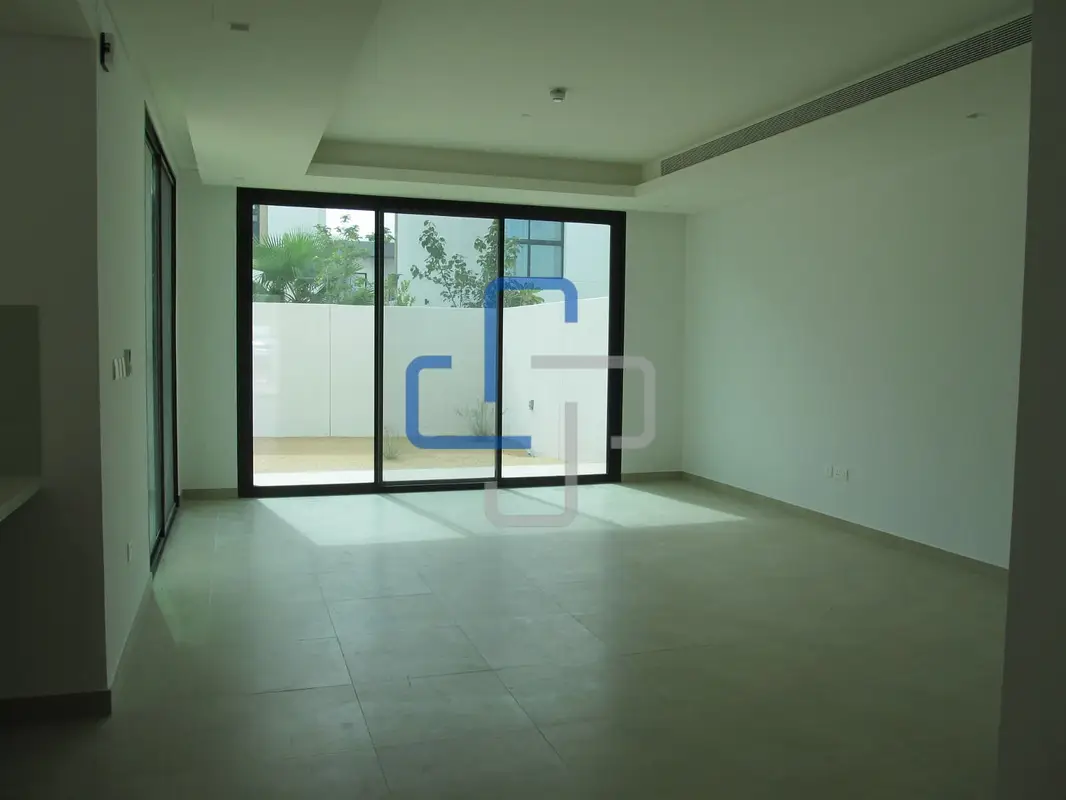
During a viewing, pay attention to the journey from the community entrance to the apartment. Check the parking route, lift access, corridor condition and distance to facilities you expect to use.
A property can look attractive in photographs while being less convenient in daily use. Conversely, an apartment with a modest outlook may offer a comfortable layout and practical access at a more suitable purchase price.
The best comparison combines the home itself with the experience of reaching and using it.
Choosing Between a Studio and a Larger Apartment
Studios: Make the Available Space Work
A studio requires careful assessment because sleeping, relaxing and dining take place within a relatively compact footprint.
Look beyond the advertised area. Identify where a bed, sofa, dining surface and storage would fit without restricting movement.
For buyers who work from home, a usable desk position can matter as much as an attractive balcony. Check electrical sockets, lighting and whether the working area would interfere with normal household use.
For investors, avoid assuming that the smallest apartment automatically offers the best return. Compare the asking price with realistic rent and all recurring expenses.
A lower purchase price can still produce a disappointing result if the layout is awkward, the home needs substantial work or ownership costs consume too much of the income.
One-Bedroom Apartments: Evaluate Separation and Storage
A one-bedroom apartment provides separation between the sleeping area and the main living space. The quality of that separation depends on the floor plan.
Check whether the bedroom accommodates the furniture a likely resident would need. Assess wardrobe capacity, bathroom access and the amount of usable wall space in the living room.
A layout that photographs well with small furniture may feel restricted when furnished for everyday living.
For a couple, consider whether two people can use the kitchen and living area comfortably. For a remote worker, examine whether calls can take place without disturbing someone in the bedroom.
These details help identify apartments that offer practical benefits beyond an appealing listing description.
Two-Bedroom Apartments: Check the Second Bedroom Carefully
A second bedroom introduces flexibility, but buyers should inspect its dimensions and position.
It may serve as a child’s room, guest room or home office. Each use creates different requirements for furniture, storage, quiet and access to a bathroom.
Do not evaluate a two-bedroom apartment solely by the size of its main bedroom and living room. An undersized second room can limit how well the home serves the intended household.
Also consider the dining area, laundry arrangements and storage for cleaning equipment, luggage or children’s belongings.
The right two-bedroom home should accommodate the whole household rather than simply provide an additional door labelled “bedroom”.
Three-Bedroom Apartments: Compare With Other Family Options
A larger apartment may interest families who want several bedrooms without taking on villa ownership.
However, bedroom count alone does not establish suitability. Review circulation space, privacy, bathroom arrangements and the relationship between bedrooms and shared living areas.
Compare the apartment’s full annual cost with other family properties within your budget. Include service charges, utilities and maintenance rather than comparing purchase prices alone.
For some households, apartment convenience will outweigh the benefit of a private garden. Others may prefer a townhouse because outdoor space or greater separation between rooms is central to their needs.
The comparison should reflect how the family expects to live over several years.
Canal View, Partial View or Community Outlook?
View descriptions deserve close attention because they can influence asking prices.
A listing may describe a property as waterfront because of the development’s location. That does not establish what is visible from the apartment.
During the viewing, inspect the outlook from the living room, bedrooms and balcony. A view available only from one corner of a balcony is different from an open outlook visible throughout the main living space.
Assess privacy at the same time. A wider view may still come with overlooking from nearby apartments or activity immediately below.
Ask yourself:
- Can the outlook be enjoyed from normal seating positions?
- Does the apartment face another home at close range?
- How much direct sunlight reaches the interior?
- Is the balcony comfortable and usable?
- What happens outside during busy periods?
For investors, any view premium should be tested against rental and resale evidence. For end users, the additional price should reflect a benefit they will actually enjoy.
Floor Level, Orientation and Noise
A higher floor is not automatically the best choice.
It may improve the outlook in one building, while a lower floor may offer a different relationship with landscaping or shared areas. The balance depends on the specific position.
Visit with the balcony door open and closed. Listen for road activity, equipment, nearby facilities and ordinary building sounds.
If possible, arrange viewings at different times. A quiet weekday morning may not show what the location feels like in the evening or at the weekend.
Orientation also affects the experience of the home. Assess daylight, glare and afternoon heat rather than relying only on a compass direction or an agent’s description.
Photographs can make a bright apartment look appealing, but the useful question is whether the interior remains comfortable for the way you intend to occupy it.
Record these observations immediately after each viewing. They are easy to forget when several apartments look similar.
Community Facilities: Focus on What You Will Use
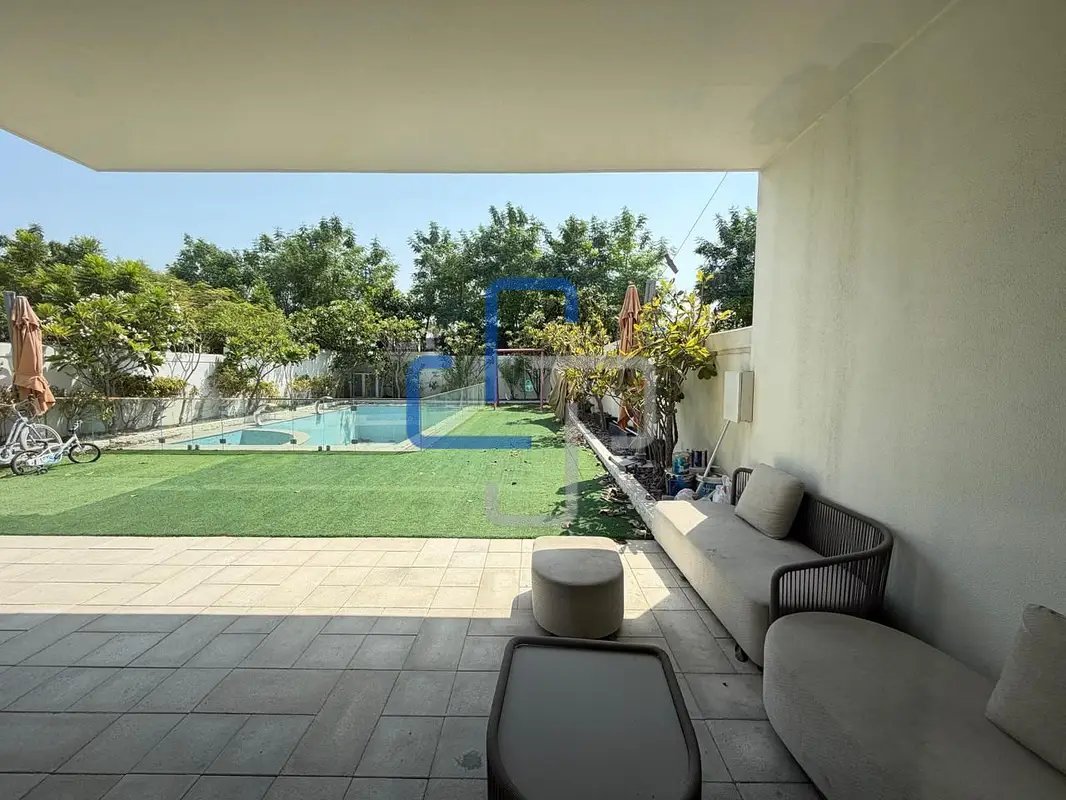
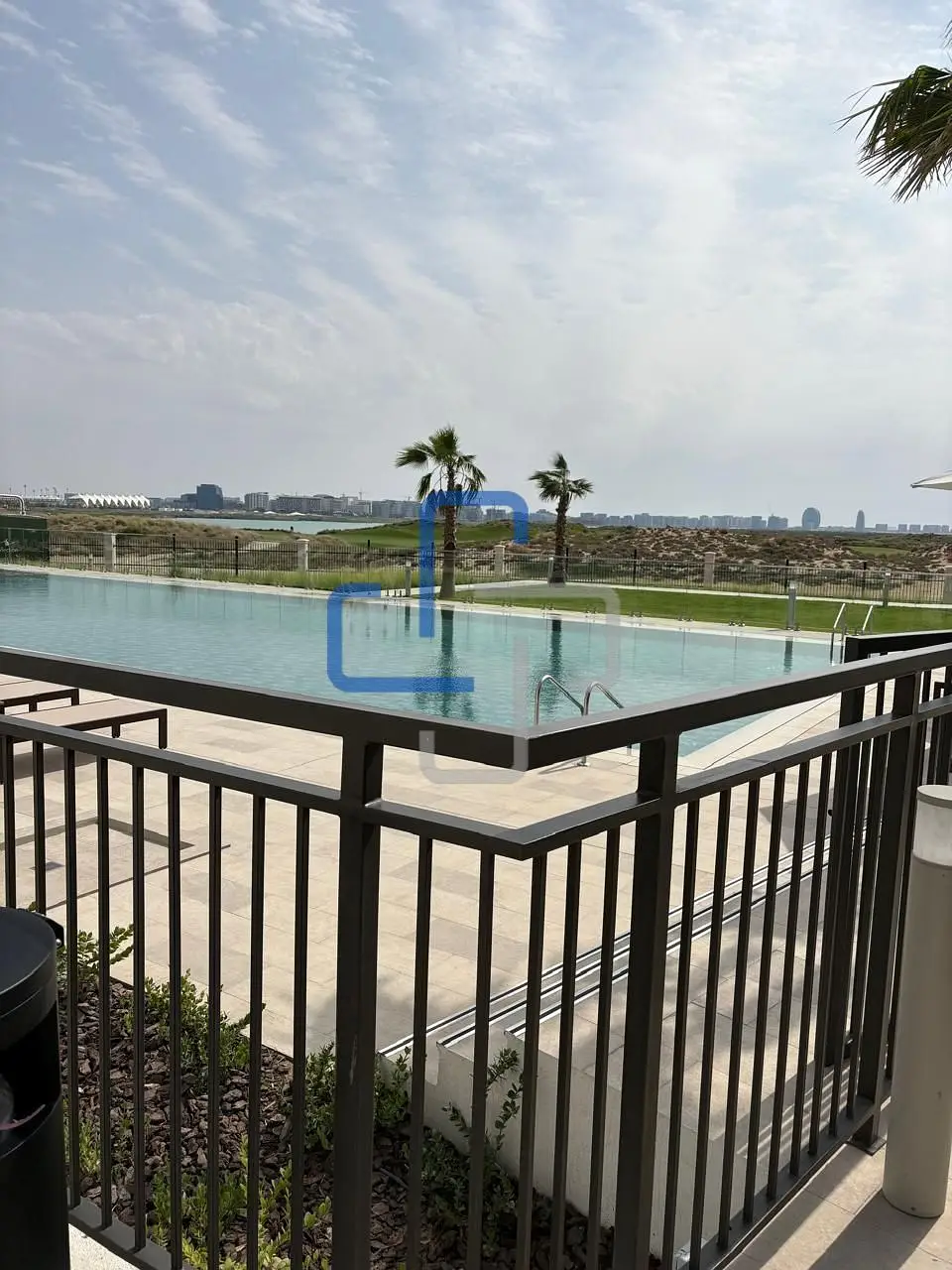
Aldar lists facilities including courtyard pools, gyms, a waterfront boardwalk, jogging and cycling routes, multipurpose sports courts, and cafes and restaurants for Water’s Edge. Buyers should inspect the facilities relevant to their purchase and confirm current access and operating arrangements.
An amenity list becomes more useful when translated into everyday questions.
If you expect to exercise before work, check the gym’s opening hours and walking distance. If you have children, examine the route between the apartment and shared recreation areas.
Look at maintenance, cleanliness and accessibility. Ask about guest arrangements and any restrictions that affect how your household would use the facilities.
For an investor, consider the intended tenant. Facilities that suit that tenant’s routine may contribute to the property’s appeal, but their presence does not guarantee a particular rent.
Assess the quality and usefulness of the amenities alongside the charges paid to maintain them.
Everyday Living: Test Your Routine Before Buying
A property decision becomes clearer when you imagine an ordinary working week.
Start with the morning. Consider parking access, the journey out of the community, school or nursery arrangements and the route to work.
Then consider the evening. Where will you shop for essentials? How will deliveries reach the building? Where will guests park? Does the apartment provide enough space to relax after work?
For households with children, test the actual school journey at the relevant time. Proximity on a map does not establish an easy daily route or confirm that a suitable school has places available.
For frequent travellers, assess the practical journey to the airport from the building. Avoid treating a general destination travel estimate as a promise.
The waterfront setting may be an attractive part of the lifestyle, but the home should also support the less glamorous tasks that make up most of the week.
What Drives Rental Appeal at the Apartment Level?
Potential tenants generally compare several properties before committing. A landlord needs to understand why someone would choose a particular apartment at the proposed rent.
Useful factors to assess include:
- A layout that fits the tenant’s household.
- Clean, well-maintained interiors.
- Appropriate parking and convenient access.
- Comfortable light, privacy and noise levels.
- A competitive rent.
- Clear tenancy terms.
- Reliable handling of maintenance.
These are assessment criteria, not evidence of a particular occupancy level at Water’s Edge.
An apartment that meets them may be easier to position, but the rental outcome still depends on competing inventory and market conditions when it is offered.
Ask for evidence that closely matches the unit. A large furnished apartment with an open view is not a reliable rent comparison for a smaller unfurnished apartment facing another building.
The more closely the evidence matches, the more useful the estimate becomes.
How to Assess Rental Evidence
Start by separating advertised rent from agreed rent.
An asking price shows what a landlord hopes to achieve. A completed tenancy provides stronger evidence of what someone accepted, although the contract’s date and terms still matter.
For a tenanted purchase, review the actual tenancy documentation. Confirm the annual rent, payment schedule, expiry date and any services included.
For a vacant apartment, ask for recent comparable agreements where they can be appropriately shared or verified.
Compare properties on a consistent basis:
| Comparison factor | Why it matters |
|---|---|
| Bedroom count and usable space | Different layouts attract different households |
| View and orientation | Can affect desirability and privacy |
| Furnished or unfurnished | Changes both rent and owner expenses |
| Condition | Affects readiness and potential repair costs |
| Contract date | Older agreements may reflect different conditions |
| Included bills or services | A higher rent may cover additional spending |
| Vacancy and incentives | Affect income actually received |
A rental estimate should explain its assumptions. Treat an unexplained headline figure as a starting point for further investigation.
Buying Vacant or With a Tenant in Place
A Vacant Apartment
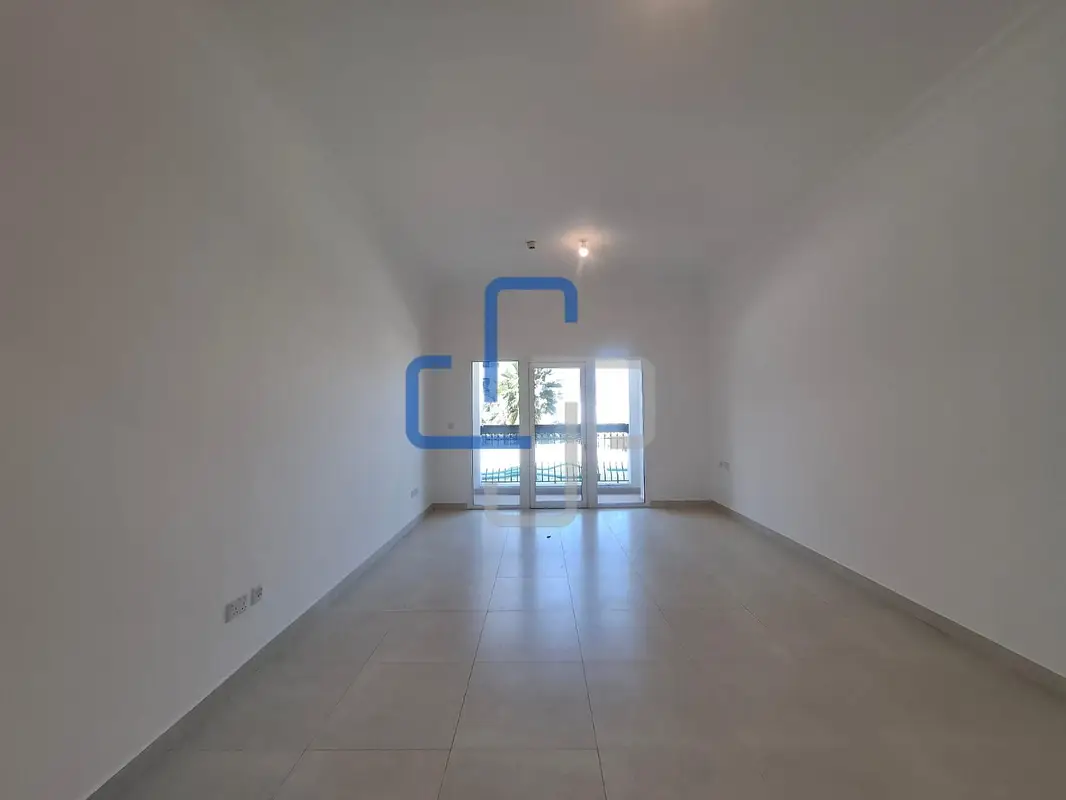
A vacant property can offer flexibility for a buyer planning to move in or prepare the home for a new tenancy.
It may be easier to inspect thoroughly and identify maintenance needs. You can also plan furnishings and repairs without working around an existing resident’s occupation.
However, vacant does not necessarily mean immediately ready. Confirm the condition, access arrangements, outstanding works and any steps needed before occupation.
For investors, budget for preparation and a marketing period. Rental income should not be assumed to begin on the transfer date.
A Tenanted Apartment
A tenanted home provides an existing rental record, which can make income assessment more concrete.
However, the buyer must understand the tenancy being acquired with the property. Review the contract, payments, deposits, maintenance obligations and any relevant communications.
If you intend to occupy the apartment yourself, obtain qualified advice on the applicable process and timing before agreeing to purchase.
Do not rely on a verbal promise that the tenant will leave. Any representation about vacant possession should be addressed properly within the transaction.
Service Charges and Other Annual Expenses
Request the latest service-charge statement for the exact unit.
Check the billing period, outstanding balance and whether the amount quoted includes all relevant components. If a rate per square foot is used, verify the chargeable area rather than automatically using the area shown in an advertisement.
ADREC describes a process in which community management companies submit service-charge budgets for approval and issue owner invoices based on approved charges. That is why current documentation should take priority over an informal estimate.
Then list the expenses outside the shared charge.
Depending on the property and letting arrangement, these may include internal maintenance, insurance, leasing, management, furnishings and owner-paid utilities.
Keep acquisition costs separate from annual operating costs. Also distinguish an allowance for future spending from an invoice already payable.
A clear cost schedule makes it easier to compare two apartments and understand why similar gross rents can produce different net outcomes.
Worked Example: Assessing Income After Expenses
The following figures are hypothetical. They are not current Water’s Edge prices, rents or service-charge quotations.
Assume an apartment has:
| Item | Illustrative amount |
|---|---|
| Purchase price | AED 1,400,000 |
| Acquisition and initial preparation costs | AED 70,000 |
| Total initial investment before financing | AED 1,470,000 |
| Potential annual rent at full occupancy | AED 105,000 |
The gross yield on the purchase price would be:
AED 105,000 ÷ AED 1,400,000 × 100 = 7.5%
Now assume a combined annual budget of AED 25,000 for vacancy, shared charges, maintenance, management, leasing and other owner expenses.
Expected net operating income would be:
AED 105,000 − AED 25,000 = AED 80,000
This produces a net operating yield of approximately:
- 5.71% on the purchase price.
- 5.44% on the total initial investment.
Both figures are before financing and any applicable investor-specific taxes.
If the income forecast already accounts for vacancy, do not deduct the same vacancy again. Likewise, check whether management and leasing are separate fees or included within a package.
The calculation is useful only when its inputs are supported.
Furnished or Unfurnished: Compare the Additional Income With the Work
Furnishing can change a property’s presentation and intended audience. It also creates additional responsibilities.
The initial budget may include furniture, appliances, curtains, lighting and household equipment. Over time, items need cleaning, repair or replacement.
Compare the expected extra rent with these costs and with any change in management requirements.
For a furnished resale, obtain a written inventory and inspect its contents. Photographs do not establish which items are included in the purchase or whether they function correctly.
Consider durability and ease of replacement. A stylish but fragile furniture package may create more expense during repeated tenancies.
An unfurnished home can suit a different tenant profile, including residents who already own furniture. It also allows the owner to avoid some furnishing expenditure.
Choose the arrangement using rental evidence and an operating plan rather than assuming that furnished always means more profitable.
Do Not Build the Purchase Around Unverified Holiday-Rental Income
Short-stay income projections require a separate assessment from a conventional annual tenancy.
Nightly rates are not annual profit. Occupancy, cleaning, utilities, platform charges, management, consumables and replacement costs can materially change the outcome.
Before relying on this model, verify the applicable licensing requirements and community arrangements with the relevant authorities and management.
ADREC’s published Community Affairs guidance states that community holiday-home policies must align with Department of Culture and Tourism requirements and that third-party operators must maintain valid licences. This does not establish permission for a particular Water’s Edge unit.
Ask an operator for a transparent forecast showing ordinary periods as well as stronger demand periods.
Also consider your own availability. Frequent guest turnover introduces operational tasks that do not disappear simply because a property is located in a leisure destination.
Buy only when the proposed use is verified and the economics remain credible after expenses.
Resale Prices: How to Compare Asking Figures
A useful resale comparison starts with closely matched properties.
Record the building, bedroom count, area, view, condition, tenancy status and parking arrangements. Then compare the price with available transaction evidence and competing listings.
Price per square foot can help organise the comparison, but it does not capture every difference.
For example, a larger advertised area may include space that is less useful to the occupant. A cheaper apartment may require repairs. A more expensive apartment may offer a view that matters to an end user but produces only a modest rental difference.
Avoid using original launch prices as a substitute for current valuation. They describe a different transaction at a different stage of the development.
Your offer should reflect the property available today, the evidence supporting it and the total cost of completing the purchase.
Mortgage Buyers: Check the Valuation Gap
A mortgage offer and a property valuation address different parts of the purchase.
A lender’s assessment of the borrower does not automatically establish that the bank will support the full agreed property price.
If the bank’s valuation is lower than the purchase price, the buyer may need additional cash, depending on the approved financing structure.
Discuss that possibility before committing to a deposit and review the transaction’s financing conditions with the professionals involved.
Request a complete bank cost schedule, including applicable valuation, arrangement and insurance requirements.
For monthly affordability, include the full repayment alongside service charges and other ownership expenses. For investment analysis, keep debt payments separate from the property’s operating-income calculation.
This makes it clear whether the home is financially manageable under your specific borrowing arrangement.
Inspect the Apartment and the Building
A viewing helps establish whether you like a home. A more detailed inspection helps establish what you are buying.
Inside the apartment, examine doors, windows, seals, plumbing fixtures, visible moisture marks, cooling performance and the condition of appliances included in the sale.
Ask about previous leaks, recurring repairs and equipment warranties. Where the purchase warrants it, use a qualified inspector.
Outside the unit, examine corridors, lifts, parking and shared areas. Look for signs of consistent upkeep and ask about any significant works affecting the building.
A freshly decorated interior should not replace inspection. Equally, a minor cosmetic problem should be distinguished from a more substantial defect.
Use findings to create a repair budget and determine what should be completed before transfer, adjusted in the price or accepted by the buyer.
Document any agreed works clearly.
What Documents Should You Request?
Before committing, assemble a file for the exact apartment.
The relevant documents and confirmations may include:
- Evidence of ownership and authority to sell.
- The unit plan and registered area.
- Parking details.
- Current service-charge statements.
- Outstanding-balance and clearance information.
- Tenancy records where applicable.
- An inventory of included furnishings and appliances.
- Relevant maintenance records.
- Financing and transaction-cost breakdowns.
- Written terms covering deposits, completion and possession.
Your broker and the professionals handling the transfer should explain the process applicable to the transaction.
For any payment, confirm the recipient, purpose, due date and contractual treatment.
Do not treat an incomplete document pack as a minor administrative issue to solve after committing. Missing information can affect price, timing and the suitability of the property for your intended use.
Comparing Water’s Edge With Other Yas Island Apartments
Water’s Edge should be compared with alternatives that genuinely fit your budget and purpose.
If you are considering another completed apartment, compare the actual home, annual charges, condition, rental evidence and surroundings.
If you are considering an off-plan alternative, add payment timing, completion uncertainty and the period before the property can be used.
The comparison becomes clearer when each option is assessed using the same questions:
| Priority | What to compare |
|---|---|
| Personal use | Layout, privacy, routine and readiness |
| Rental income | Supported rent, vacancy and operating expenses |
| Available cash | Initial payments and later obligations |
| Ownership effort | Maintenance and management needs |
| Holding period | How long the property suits the buyer’s plans |
| Exit | Likely future audience and costs of selling |
A newer development is not automatically more suitable. An existing apartment is not automatically the better investment.
The decision depends on the property, price and obligations attached to each option.
Common Mistakes to Avoid
Paying for a View You Have Not Verified
Inspect the outlook from the actual apartment. General community photographs cannot establish what the buyer will see from the living room or balcony.
Using the Highest Advertised Rent
An optimistic listing is not enough to support an investment calculation. Use comparable evidence and account for condition, furnishing and tenancy terms.
Ignoring Immediate Preparation Costs
Cleaning, repairs, replacement appliances and furnishing can create a meaningful cash requirement before the home is occupied.
Assuming Tenancy Status Will Change Easily
A buyer’s preferred move-in date should not be based on an informal assurance. Establish the contractual and legal position before purchasing.
Comparing Only the Asking Price
Include acquisition expenses, annual charges, maintenance and financing. A cheaper purchase can be more expensive to hold.
Forgetting the Exit
Consider who might buy the apartment when you sell. Layout, condition, outlook and pricing will matter then, just as they matter now.
Who May Find Water’s Edge Suitable?
Water’s Edge may be worth shortlisting for an owner-occupier who wants an apartment and values a waterfront setting.
It may also interest a buyer who prefers to inspect a specific home and review existing records before deciding.
For an investor, suitability depends on whether a particular unit can be purchased at a price supported by its rental prospects and costs.
For a family, the decision should focus on usable space, daily travel, storage and privacy. A three-bedroom label alone does not establish that the apartment fits the household.
For an overseas buyer, management arrangements and the ability to handle repairs remotely deserve attention.
Buyers whose main requirement is a private garden, extensive internal space or a particular beach-access arrangement should test whether Water’s Edge meets that requirement before progressing.
Buying With Pro Property Investments
Pro Property Investments is an Abu Dhabi real-estate brokerage working across off-plan and secondary-market sales.
For a Water’s Edge buyer, useful guidance begins with the purpose of the purchase. A home for personal use requires a different shortlist from a property intended primarily for rental income.
PPI can help buyers compare available apartments, identify differences between units and raise the questions needed to assess price, condition and ownership obligations.
The aim is to bring the practical details into the decision: what the buyer pays, what the home provides and what responsibilities follow after completion.
For current Water’s Edge apartments and comparisons across Yas Island, contact Pro Property Investments at +971 54 417 5657.
Frequently Asked Questions
What types of apartments are available at Water’s Edge?
Aldar’s brochure describes studios and one-, two- and three-bedroom apartments. Confirm the layout, registered area and current availability of the specific home being offered.
Does every Water’s Edge apartment have a canal view?
Do not assume that the community’s waterfront setting establishes the view from every unit. Inspect the outlook from the rooms and balcony and confirm the apartment’s orientation.
Is Water’s Edge suitable for rental investment?
It may be suitable where the purchase price, rental evidence and annual expenses support the buyer’s objectives. Assess the individual apartment rather than relying on a community-wide return claim.
Which apartment size is best for investors?
There is no universal answer. Compare total investment, achievable rent, annual expenses, competing supply and the likely tenant profile for each shortlisted property.
Is it better to buy vacant or tenanted?
A vacant apartment can offer flexibility for occupation or preparation. A tenanted apartment provides an existing rental record but requires careful review of the tenancy and possession arrangements.
How much are service charges at Water’s Edge?
Request the current statement for the exact unit. Confirm the billing period, calculation basis, included components and outstanding balance before using the figure in a budget.
Should I pay more for a higher floor?
Only if the specific benefits justify the additional price for your intended use. Compare view, privacy, light, noise and available rental or resale evidence.
Can I use an apartment for holiday rentals?
Verify the applicable approvals, licensing and community requirements before relying on that use. A property listing or income projection does not establish that the arrangement is permitted.
What is the most important check before making an offer?
Confirm that the unit’s condition, documentation, tenancy status and total cost match your intended use. Price negotiation is more meaningful once those details are understood.
Choosing the Right Water’s Edge Apartment
Water’s Edge offers a clear starting point for buyers interested in Yas Island apartment living. The stronger purchase decision comes from examining the details behind the listing.
Choose a layout that works, verify the view, understand the tenancy and calculate ownership costs. Compare the asking price with relevant evidence and allow for the work needed before the home is ready.
For investors, those checks support a realistic income assessment. For residents, they help identify a home that remains comfortable after the excitement of the purchase has passed.
To compare Water’s Edge Yas Island apartments with Pro Property Investments, call +971 54 417 5657.






Join The Discussion