




Noya Yas Island is a useful starting point for buyers who want a home with outdoor space, practical family accommodation and access to the island’s wider lifestyle.
However, choosing a Noya property involves more than selecting a bedroom count. The original Noya community, Noya Viva and Noya Luma offer different options, while individual homes vary in plot position, privacy, condition, landscaping and occupancy.
A well-positioned townhouse may suit one household better than a larger villa. An attractive investment property may be unsuitable for a family that needs to move immediately. A landscaped home may save its next owner considerable work, but only if the improvements are sound and appropriately documented.
This guide explains how to compare Noya properties in 2026, understand the differences between phases and assess the practical costs of living in or renting out a home.
For current availability and a comparison of suitable properties, contact Pro Property Investments (PPI) at +971 54 417 5657.
Quick Answer: Who Should Consider Noya Yas Island?
Noya may suit buyers seeking a townhouse or villa lifestyle, particularly households that value outdoor space and a neighbourhood environment.
For an owner-occupier, the strongest purchase is a home that fits the family’s routine, available budget and intended moving date.
For an investor, the decision should depend on the acquisition price, verified rental evidence, recurring expenses and the property’s ability to attract suitable tenants.
| Buyer profile | Main priority |
|---|---|
| Couple moving from an apartment | Useful additional space without excessive running costs |
| Family with young children | Practical rooms, outdoor space and convenient school journeys |
| Household needing more privacy | Separation from neighbours and a suitable plot |
| Rental investor | Achievable rent, property condition and manageable expenses |
| Overseas owner | Reliable management and clear maintenance responsibilities |
| Buyer moving on a fixed date | Documented possession arrangements and time for preparation |
Before viewing, identify your three non-negotiable requirements. These might be a particular bedroom configuration, a maximum total budget or the ability to take possession within a defined period.
That shortlist will make comparisons more productive.
Understanding Noya, Noya Viva and Noya Luma
The Noya name is used for both the original development and the wider collection of related phases. Buyers should establish exactly which phase and property they are being offered.
Aldar’s reporting records 510 units launched in the original Noya development. Its April 2021 Noya Viva announcement described a further 480 homes, comprising two- and three-bedroom townhouses and four-bedroom villas.
Noya Luma followed in May 2021 with 189 standalone villas in three-, four- and five-bedroom layouts. Aldar described larger average plots than the preceding phase and an emphasis on increased indoor and outdoor space.
These launch details explain the different product choices. They do not establish today’s availability, asking prices or the condition of a resale home.
How to Approach the Phase Comparison
| Phase | Starting point for your comparison | What to verify |
|---|---|---|
| Original Noya | The specific home’s layout and position within the first development | Property type, condition, occupancy and access |
| Noya Viva | Townhouse and villa options | Attached configuration, plot, privacy and current costs |
| Noya Luma | Standalone villa options | Usable garden, separation, maintenance and total budget |
Avoid choosing a phase solely because it is presented as the most desirable. A property in your preferred phase can still have an unsuitable layout or an asking price that is difficult to justify.
Compare homes that meet the same practical needs, then assess what additional value each offers.
Is Noya a Completed Community?
Aldar’s full-year 2024 results reported deliveries at Noya, Noya Viva and Noya Luma. Buyers should therefore evaluate available homes using their actual handover, ownership and occupancy records rather than relying on old launch forecasts.
For an individual property, establish:
- Whether the seller has taken possession
- Whether the home is occupied
- Whether utilities are connected
- Whether defects remain unresolved
- Which ownership and registration documents are available
- Whether any developer payments remain outstanding
- When the buyer can actually take possession
A completed home may still require landscaping, repairs, cleaning or utility arrangements before it is comfortable to occupy.
Similarly, a tenanted property may be a functioning investment but unsuitable for someone who needs an immediate family home.
The relevant question is not simply whether construction has finished. It is whether the specific property can fulfil your purpose on the required terms.
Townhouse or Standalone Villa?
The choice between a townhouse and a standalone villa should begin with how the household lives.
A townhouse can provide private outdoor space and separation between living and sleeping areas while keeping the overall property manageable.
A standalone villa may offer greater separation from neighbours, more external access and different possibilities for garden use. Those advantages need to be considered alongside purchase price and maintenance.
When a Townhouse May Work Well
A townhouse may suit buyers who want more space than an apartment but do not need an extensive garden or a larger detached home.
Check the attached configuration carefully. Review bedroom positions, neighbouring terraces, garden boundaries and the location of shared walls.
Do not assume that all townhouses have the same relationship with adjoining properties. The actual arrangement matters more than the label.
When a Standalone Villa May Be Preferable
A standalone villa may suit a larger household, frequent entertaining or a buyer who places a high value on separation.
However, detached does not automatically mean private. Upper-floor windows, neighbouring plots, public paths and road exposure can still affect the home.
Assess privacy from the garden and principal rooms, not only from the front entrance.
Plot Position Can Matter More Than an Extra Bedroom
Two homes with similar layouts can feel very different because of their positions.
One may have a comfortable garden and a quiet outlook. Another may face more activity, have a less useful plot shape or receive strong afternoon sun in the main outdoor area.
Before viewing, locate the property on the community plan. Then check that position in person.
Pay attention to:
- Distance from entrances and busy internal roads
- Nearby pedestrian routes
- Parking and vehicle turning movements
- Neighbouring gardens and windows
- Service areas and utility equipment
- Lighting around the boundary
- Access to community facilities
- Potential activity on adjoining land
A property close to facilities can be convenient, but the nearest home is not automatically the best choice. Some buyers will prefer a short walk with more separation from activity.
Visit at different times if possible. The experience during a quiet weekday morning may differ from the evening.
Single Row, Corner and End Unit: Verify the Benefit
Property advertisements frequently use terms such as “single row,” “corner” or “premium location.”
These descriptions should begin a discussion rather than conclude it.
For a single-row property, establish what is behind the home. It could be landscaping, a road, a path or another type of land use. The absence of a directly adjoining rear property does not explain the full outlook.
For a corner plot, assess how much of the additional land is usable. A narrow strip may add maintenance without providing much recreational space.
For an end unit, inspect the additional exposure, windows and boundary conditions.
Ask the seller or broker to show the claimed advantage on the plan and explain it during the viewing. A premium should correspond to a benefit you can identify and value.
Assess the Home as a Family Would Use It
A floor plan becomes more useful when you walk through an ordinary day.
Where will school bags go? Can someone prepare breakfast while another person moves through the kitchen? Is there room for a desk without sacrificing the dining area?
For families, storage deserves particular attention. Consider suitcases, sports equipment, cleaning products, spare bedding and seasonal items.
Check whether the bedrooms accommodate realistic furniture. A room may technically fit a bed but leave limited space for wardrobes, a desk or comfortable movement.
Also assess:
- Guest bathroom access
- Laundry space and ventilation
- Stair width and handrails
- Ground-floor flexibility
- The relationship between living areas and the garden
- Kitchen storage and worktop space
- Accessibility for older relatives
- Parking dimensions for your actual vehicles
A slightly smaller home that works well can be more useful than a larger one with awkward circulation.
Gardens: Budget for Use, Privacy and Maintenance
Private outdoor space is often a major reason to consider a townhouse or villa.
However, buyers should distinguish between a plot that looks attractive during a viewing and one that will be comfortable to use throughout the year.
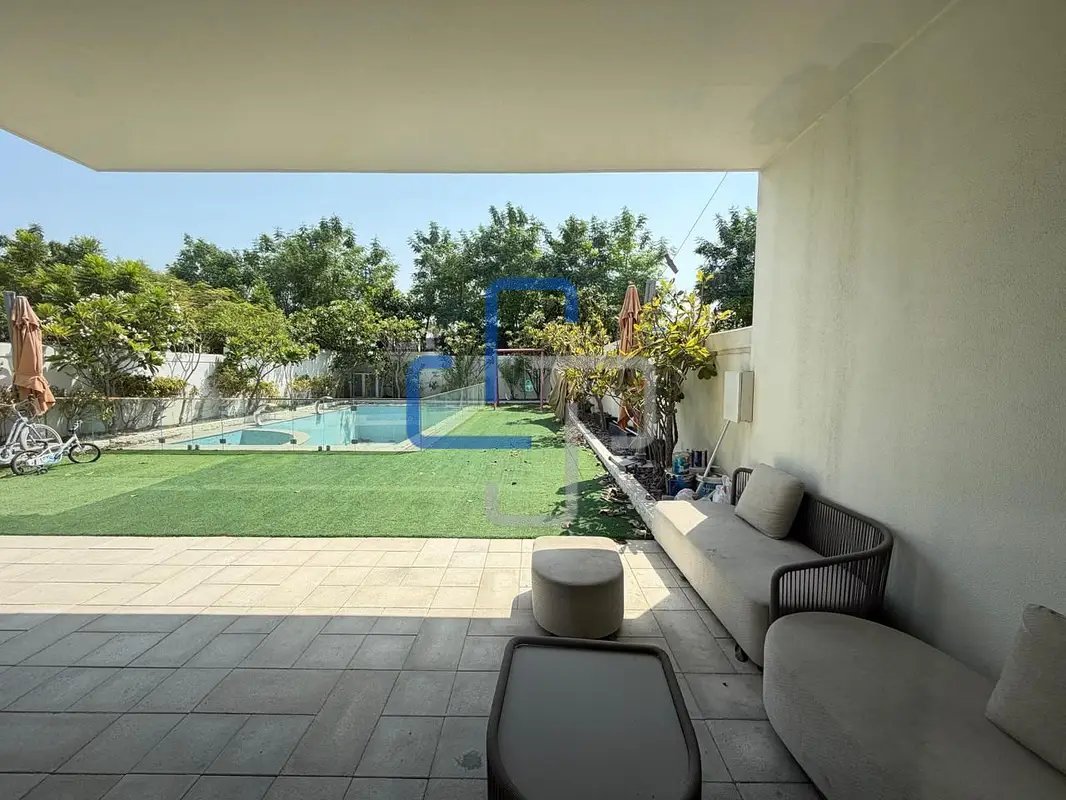
Identify where shade falls during the hours you expect to sit outside. Check whether seating areas feel private and whether landscaping leaves enough practical space.
For a completed garden, inspect irrigation, drainage, paving and boundary treatments. Look for signs of water collecting near doors or walls.
For an unfinished garden, obtain a realistic installation budget before agreeing on the purchase price. Include soil preparation, planting, irrigation, lighting and any permitted shade structures.
For investors, choose a level of landscaping that suits the intended tenant and can be maintained reliably. An elaborate garden may photograph well but create additional expense and disputes if responsibilities are unclear.
Schools and the Daily School Run
School access should be checked early in a family’s search.
Noya British School’s official website identifies the National Curriculum for England and describes early-years, primary and secondary programmes. Parents should confirm the year groups available for their intended admission date directly with the school.
Buying nearby does not guarantee a school place.
Before choosing a property primarily for education access, establish:
- Availability for each child
- Admissions requirements
- Current fees and additional expenses
- Learning-support arrangements where needed
- Transport options
- Drop-off and collection procedures
- After-school care and activities
Test the journey from the exact property. A location that looks close on a map may involve different entrance arrangements or road crossings than expected.
If more than one school is involved, assess the combined routine. A home should support the family’s full schedule rather than only one convenient journey.
Community Facilities: Check What You Will Actually Use
The original Noya Viva masterplan announcement described The Village as a community focal point with retail, cafés and recreational facilities. Aldar subsequently reported Noya retail assets as fully leased in its nine-month 2025 results. Leasing status, however, should not be treated as confirmation that every individual outlet is operating today.
During a visit, inspect the facilities relevant to your household.
Check access rules, operating hours, maintenance and the route from the home. Ask whether residents of the specific phase can use the facilities on the terms you expect.
For some households, a convenient walking route and a useful local shop will have more everyday value than a long amenities list.
For investors, operational facilities can help support tenant interest, but rental assumptions should still be tested against comparable contracts.
Commute, Shopping and Wider Yas Island Access
Assess Noya as a place to begin and end an ordinary working day.
Drive the route to your workplace at a representative time. Check the return journey as well, particularly if different family members travel in different directions.
Include routine needs such as grocery shopping, medical appointments and children’s activities.
Yas Island’s wider leisure appeal may be part of your reason for buying, but most households spend more time on everyday tasks than on major attractions.
Consider whether the location remains convenient when you are tired, carrying shopping or collecting children after an activity.
For overseas buyers, arrange a visit that includes ordinary weekdays. A short weekend viewing can show the home attractively while providing limited insight into daily life.
How to Compare Noya Asking Prices
A useful comparison should match the properties as closely as possible.
Start with phase, property type, layout and occupancy. Then assess plot size, position, condition and improvements.
Compare internal accommodation separately from external land. A larger plot should not obscure a less suitable interior.
For each shortlisted home, record:
| Comparison item | Information to obtain |
|---|---|
| Price | Asking price and any supported negotiation context |
| Accommodation | Verified layout and area |
| Plot | Boundaries, usable space and orientation |
| Condition | Inspection findings and immediate repairs |
| Improvements | Included items, approvals and workmanship |
| Occupancy | Vacant, owner-occupied or tenanted |
| Annual expenses | Current charges and maintenance requirements |
| Possession | Documented timing and conditions |
Recent completed transactions can help test an asking price where sufficiently comparable evidence is available.
Avoid treating an old launch price as a current valuation. It describes a different transaction at a different stage of the development.
Upgrades: Pay for Quality, Not Just Presentation
Resale homes may include landscaping, fitted storage, kitchen changes, flooring or other alterations.
These improvements can save time and improve usability. However, the amount spent by the seller is not automatically the amount a buyer should pay.
Ask what was changed, who completed the work and whether the necessary approvals were obtained. Request invoices, warranties and technical information where relevant.
Look beyond decorative finishes. A fresh coat of paint cannot establish the condition of waterproofing, electrical work or air-conditioning.
An improvement also needs to suit your own use. A garden designed for entertaining may offer limited play space. Extensive built-in furniture may restrict room flexibility.
For investment purchases, assess whether the upgrade is likely to support additional rent or easier leasing. Avoid paying a substantial premium for features that most prospective tenants will not value.
Buying a Tenanted Noya Property
A tenanted property can provide evidence of actual rental performance.
Request the current tenancy documents, payment schedule, deposit details and a record of relevant maintenance obligations.
Compare the rent being collected with the assumptions used in the sales presentation. If the investment case depends on a higher future rent, establish when and how that change could realistically occur.
Owner-occupiers should pay particular attention to possession. An informal statement that a tenant will leave is not enough to support a moving plan.
Have the relevant documents and arrangements reviewed by a qualified local professional before committing on the assumption of vacant possession.
For an investor, a reliable existing tenancy can be useful, but the purchase price should reflect the actual income and contractual position.
Inspecting a Completed Home
A completed property provides an opportunity to investigate condition before buying.
Use that opportunity carefully.
Check cooling performance, visible signs of leaks, bathroom drainage, doors, windows, cabinetry and external finishes. Inspect garden drainage and irrigation alongside the building itself.
Ask for previous maintenance records and details of unresolved defects. Establish whether any warranties remain and whether they can benefit the next owner.
A technical inspection can be particularly useful for:
- Air-conditioning systems
- Roof and terrace waterproofing
- Plumbing leaks
- Electrical alterations
- Drainage concerns
- Signs of persistent damp
- Modified external structures
Record findings and obtain estimates for material repairs before finalising the budget.
The purpose is to understand the property’s condition and likely expenditure, not to assume that a relatively recent home requires no work.
Noya Ownership Costs Beyond the Purchase Price
The cost of owning a townhouse or villa includes both shared-community expenses and work within the property.
Obtain the latest applicable service-charge information and clarify whether the seller has any outstanding balance.
Then build a budget for the specific home.
Potential recurring expenses include:
- Community charges
- Air-conditioning servicing
- Plumbing and electrical repairs
- Garden and irrigation maintenance
- Pest control
- Insurance
- External finishes and periodic repainting
- Management and leasing
- Owner-paid utilities during vacant periods
Some expenses occur irregularly. A home may require little work for several months and then need a substantial repair.
Maintain a reserve rather than assuming that the most recent year’s expenditure will repeat exactly.
For a tenanted home, establish the division of responsibilities in the lease and ensure your financial model follows those terms.
Rental Demand: Start With the Household Budget
A family tenant usually assesses the full annual cost of living in a home.
Rent competes with school fees, transport, utilities and other household spending. A property that appears desirable may still sit above the budget of much of its target audience.
When estimating rent, use evidence from comparable homes in the relevant phase and configuration.
Distinguish between:
- Advertised rent
- Agreed rent
- Rent after incentives
- Annual rent with different payment schedules
- Furnished and unfurnished arrangements
A premium plot or well-maintained garden may help a property stand out, but the size of any rental premium should be supported by evidence.
Ask how long comparable properties took to let and whether landlords made concessions. That information can be as useful as the headline rent.
A Hypothetical Noya Rental Calculation
The figures below are illustrative only. They are not current Noya prices, rental quotations or service-charge estimates.
| Item | Illustrative amount |
|---|---|
| Purchase price | AED 3,000,000 |
| Acquisition and initial preparation costs | AED 180,000 |
| Total initial investment | AED 3,180,000 |
| Scheduled annual rent | AED 210,000 |
| Vacancy allowance | AED 10,500 |
| Community charges | AED 12,000 |
| Maintenance reserve | AED 10,000 |
| Management and leasing allowance | AED 12,000 |
| Insurance and other owner expenses | AED 3,500 |
| Annual income after these allowances | AED 162,000 |
Gross rental yield on purchase price would be:
AED 210,000 ÷ AED 3,000,000 × 100 = 7%
Net operating yield on total initial investment would be:
AED 162,000 ÷ AED 3,180,000 × 100 = approximately 5.09%
This example excludes borrowing costs and any applicable taxes.
The result also depends on the maintenance allocation in the tenancy. Avoid counting a tenant-paid expense as an owner cost, or leaving out an expense that the owner must actually meet.
Test a Less Favourable Rental Scenario
An investment should remain manageable if the first letting takes longer or the achieved rent is lower than expected.
Using the same hypothetical property, suppose annual rent is 10% lower, at AED 189,000. With a 5% vacancy allowance of AED 9,450 and the other illustrated expenses unchanged at AED 37,500, annual income would be AED 142,050.
That would produce a net operating yield of approximately 4.47% on the AED 3.18 million initial investment.
This is not a market forecast. It demonstrates the sensitivity of the calculation.
If you are borrowing, assess the resulting cash position after loan payments as well. A property may generate positive operating income while still requiring an additional monthly contribution from its owner.
Financing and the Total Cash Requirement
Before making an offer, establish how much cash you need to complete the purchase and prepare the home.
Include acquisition expenses, lender-related costs where applicable, repairs, landscaping, moving and a reserve.
Ask your lender how the property valuation affects the financing amount. If the valuation is lower than your agreed purchase price, the additional cash requirement may be significant.
If the seller has an existing mortgage, clarify how its settlement will fit into the transaction timetable.
The purchase arrangements should also account for financing conditions and the consequences of delay. Have those terms explained before making commitments that may be difficult to reverse.
A comfortable purchase leaves you able to maintain the property after completion.
Which Noya Home Fits Which Buyer?
A Couple Seeking More Space
Prioritise manageable running costs, a useful second room and an outdoor area that does not require extensive upkeep.
Choose additional space that improves your routine rather than simply increasing the advertised area.
A Family Planning a Long Stay
Focus on bedrooms, storage, school access, privacy and the ability to adapt rooms as children grow.
Consider whether the home will still work if a parent works remotely or an older relative visits for an extended period.
A Buyer Seeking Greater Separation
Inspect standalone options alongside their plots and neighbouring sightlines.
Assess the additional purchase and maintenance costs against the privacy benefit you will actually receive.
A Rental Investor
Select the home with the strongest combination of supported rent, sensible entry price, manageable condition and a clear tenant audience.
A slightly lower asking price is not necessarily a saving if the property requires substantial work.
Managing a Noya Property From Overseas
Remote ownership requires a practical local arrangement.
Decide who will inspect the home, approve repairs, manage contractors and respond to tenant issues.
Agree spending limits and reporting expectations with your property manager. Request photographs and invoices for completed work, particularly when repairs affect areas you cannot easily inspect yourself.
Gardens and cooling systems deserve attention during vacant periods. A property should not be left without appropriate checks simply because no tenant is living there.
Keep ownership documents, warranties, maintenance records and tenancy information organised in one place.
A dependable management arrangement can reduce inconvenience, but its cost belongs in the ownership calculation from the start.
A Practical Viewing and Buying Sequence
Use a structured process to reduce unnecessary viewings and make offers easier to evaluate.
- Define the purpose. Decide whether this is a family home, an investment or a property for occasional use.
- Set the total budget. Include purchase expenses, preparation and a reserve.
- Select suitable configurations. Shortlist phase, property type and room requirements.
- Review plans and occupancy. Exclude homes that cannot meet essential needs.
- Visit the property and surrounding streets. Assess layout, privacy, access and daily convenience.
- Obtain documents and inspect condition. Investigate material concerns before committing.
- Compare price and ownership costs. Use relevant evidence and realistic assumptions.
- Agree documented terms. Make the possession, included items and payment arrangements clear.
This sequence helps keep the decision focused on the property rather than the pressure of an individual viewing.
Why Work With Pro Property Investments?
Comparing Noya properties requires attention to details that are easily lost in broad listing descriptions.
Pro Property Investments is an Abu Dhabi real-estate brokerage working across off-plan and secondary-market sales. Its advisors can help buyers organise available options around their budget, preferred phase, layout requirements and intended use.
A useful comparison should make the differences clear: plot position, condition, improvements, occupancy, payment requirements and likely annual expenses.
For investors, that includes examining rental evidence alongside costs. For families, it includes identifying homes that fit practical living requirements and the intended moving timetable.
For current Noya, Noya Viva and Noya Luma availability, contact Pro Property Investments at +971 54 417 5657.
Frequently Asked Questions
What is the difference between Noya Viva and Noya Luma?
Noya Viva was launched with townhouse and villa options, while Noya Luma was introduced as a standalone-villa phase. Compare the exact floor plan, plot and property condition before choosing between them.
Is Noya suitable for families?
It may suit families seeking a townhouse or villa with outdoor space. The individual home should still be assessed for bedroom practicality, storage, school arrangements, commute and overall affordability.
Should I pay more for a corner property?
Only where the position provides benefits you value. Check usable land, privacy, road exposure, orientation and the price difference from comparable homes.
Is a single-row home always more private?
Not necessarily. Establish what lies behind the property and inspect sightlines from neighbouring buildings, paths and roads.
Can a Noya property generate rental income immediately?
That depends on its condition, occupancy and readiness for leasing. A vacant property may need repairs or preparation, while an existing tenancy must be reviewed on its actual terms.
How do I verify service charges?
Request the latest applicable information from the relevant management source and check the seller’s payment position. Do not rely solely on an advertisement or an estimate from another phase.
Does buying near Noya British School guarantee admission?
No. Confirm availability, admissions requirements, fees and year-group provision directly with the school before making a housing decision around it.
Are landscaped homes worth more?
They may save the buyer work and improve usability, but the premium should reflect quality, condition, maintenance needs and any required approvals.
What is the best Noya property for investment?
There is no universal best option. Compare the exact purchase price, achievable rent, expenses, condition and tenant audience.
Choosing the Right Noya Property
A strong Noya purchase combines a suitable home with clear transaction terms and a realistic ownership budget.
For families, the most important benefits are often practical: comfortable rooms, useful storage, manageable journeys and outdoor space that gets used.
For investors, those same qualities matter when they help attract tenants and support sustainable rental income.
Take time to inspect the individual property, verify its documents and understand the costs attached to it. The right home should remain workable after the excitement of the purchase has passed.
For unit-specific guidance and current options, contact Pro Property Investments (PPI) at +971 54 417 5657.






Join The Discussion